
Measuring the Productivity Impact of Gen AI
Diego Beutler, 2025
Type of Thesis Master Thesis
Client
Supervisor Stella Gatziu Grivas & Gunnar Grasshoff
Views: 25 - Downloads: 16
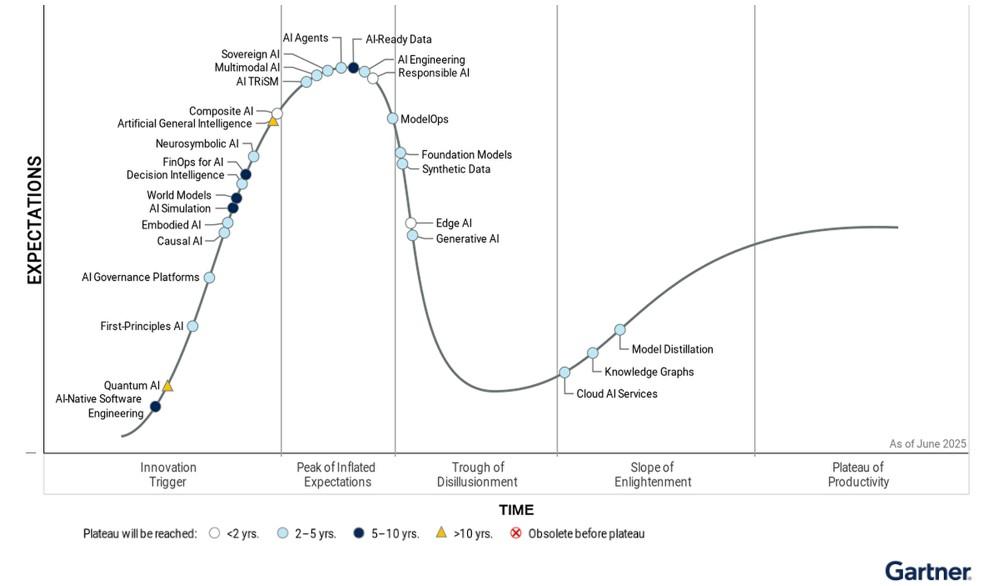
This thesis addresses this measurement gap by developing a holistic framework that captures both tangible and intangible productivity impacts of GenAI tools in knowledge work contexts.
This study employed Design Science Research methodology to develop and evaluate a comprehensive measurement framework. Requirements were derived through systematic literature review and five expert interviews (September to November 2024). The framework underwent two formative iterations with expert validation (October and November 2025) before summative evaluation through a focus group with nine IT consulting professionals. The artifact operationalizes five productivity dimensions through survey templates, interview guides and dashboard visualization, enabling organizations to track productivity changes longitudinally while identifying how efficiency gains are reallocated across operational, strategic and creative tasks.
Evaluation against twelve acceptance criteria demonstrated strong performance in high priority areas. Six criteria achieved median ratings of 4.0 or above, with Framework Flexibility rated highest (median 4.5). The framework successfully addresses critical requirements including Longitudinal Tracking, Transparency and Employee Acceptance (all median 4.0). However, Hard Facts Integration emerged as the primary development opportunity (median 3.0), indicating organizations would benefit from supplementing perception based metrics with objective system data where infrastructure permits. The framework contributes to Information Systems literature by providing a tool agnostic measurement approach applicable across industries, while offering practitioners an actionable instrument for evidence based AI investment decisions.
Studyprogram: Business Information Systems (Master)
Keywords
Confidentiality: öffentlich
Type of Thesis
Master Thesis
Authors
Diego Beutler
Supervisor
Stella Gatziu Grivas & Gunnar Grasshoff
Publication Year
2025
Thesis Language
English
Confidentiality
Public
Studyprogram
Business Information Systems (Master)
Location
Olten